Winter Shipping Survival Guide: Tips for Keeping Your Freight Moving When Storms Hit
- Penny

- Oct 27, 2025
- 5 min read
Winter weather doesn't have to bring your freight operations to a grinding halt. Sure, snowstorms and icy conditions create real challenges, but with smart planning and the right strategies, you can keep your shipments moving even when Mother Nature isn't cooperating.
Whether you're a logistics manager dealing with tight delivery windows or a driver navigating treacherous roads, this guide will give you the tools to tackle winter shipping head-on.
Start With Smart Weather Monitoring
The key to winter shipping success is staying ahead of the storm, literally. Don't rely on your phone's basic weather app when millions of dollars in freight are on the line.
Invest in professional weather tracking tools that provide detailed forecasts for specific shipping routes. Services like Weather Underground Pro or specialized logistics weather platforms can give you hour-by-hour predictions for road conditions, visibility, and temperature changes along your entire route.
Set up alerts for severe weather warnings in all the areas your shipments will travel through. This isn't just about the origin and destination: you need to know what's happening at every major stop along the way.
Pro tip: Check forecasts at least 72 hours before shipping. This gives you enough time to make alternative arrangements if needed, rather than scrambling at the last minute when your options are limited.

Build Bulletproof Contingency Plans
Hope for the best, but plan for the worst. That means having backup routes mapped out before you need them.
Work with your carriers to identify alternative shipping corridors that avoid high-risk areas during winter months. For example, if your typical route goes through mountain passes that frequently close during storms, map out longer but more reliable paths through lower elevations.
Create a priority system for your shipments. When capacity gets tight during bad weather, you'll know which loads absolutely must move and which can wait a day or two. Critical shipments might include perishable goods, medical supplies, or materials needed for time-sensitive projects.
Don't forget about warehousing options. Having strategic distribution points where you can temporarily store goods during severe weather can be a game-changer. It's better to pause a shipment at a secure facility than risk damage or accidents on dangerous roads.
Prepare Your Equipment for Battle
Winter shipping puts extra stress on vehicles and equipment. A breakdown in freezing temperatures isn't just inconvenient: it can be dangerous and expensive.
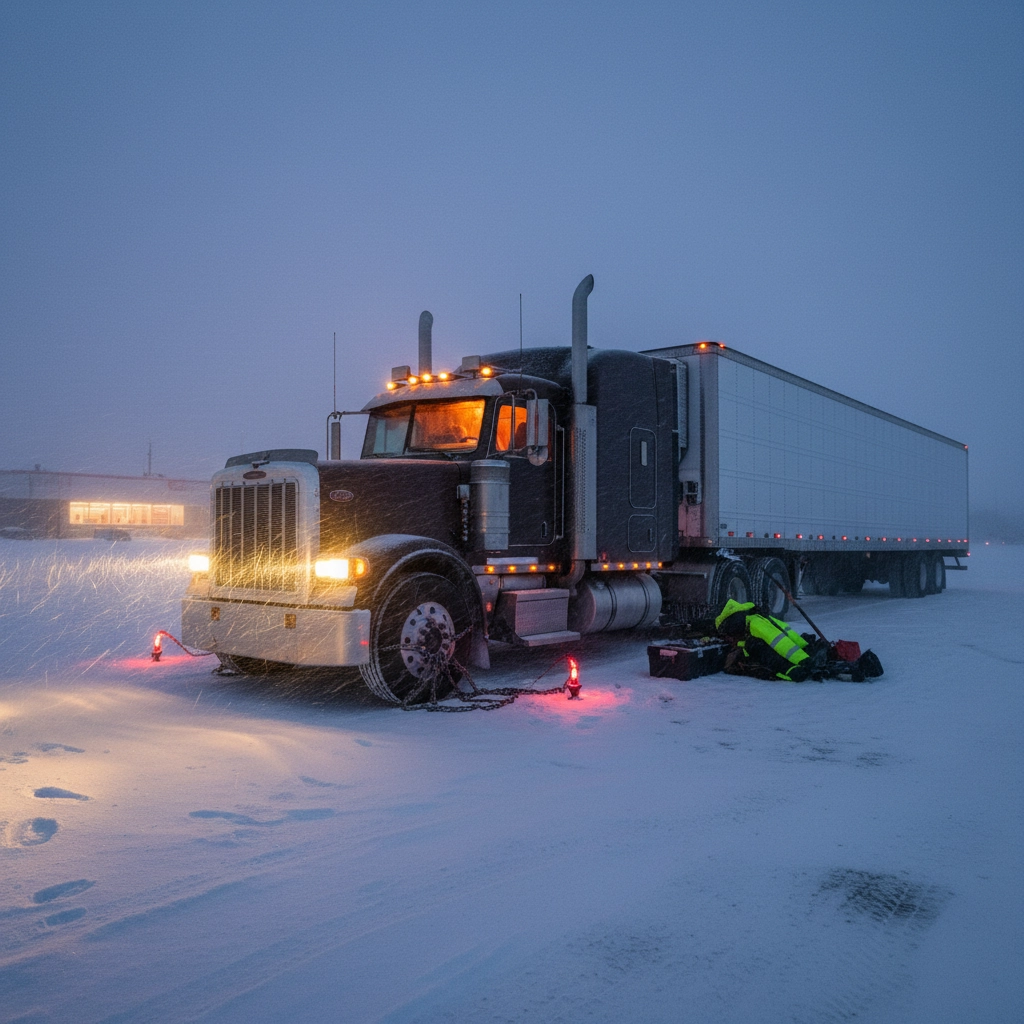
Start with the basics: ensure all trucks have proper winter tires with adequate tread depth. Carry tire chains and make sure drivers know how to install them quickly. Check battery performance regularly, as cold weather drains batteries faster.
For refrigerated loads, winterize your reefer units. Frozen coolant lines or failed heating systems can destroy temperature-sensitive cargo worth thousands of dollars. Schedule maintenance checks before winter hits, not during the first cold snap.
Stock emergency kits in every vehicle: blankets, food, water, flashlights, first aid supplies, and communication devices. If a driver gets stranded, these supplies could be lifesavers.
Protect Temperature-Sensitive Cargo
Not all freight handles cold weather the same way. Electronics, pharmaceuticals, beverages, and automotive parts can all suffer damage when exposed to freezing temperatures.
Start with proper packaging. Use insulated blankets, thermal wraps, or specialized containers for sensitive items. Group similar products together so they maintain consistent temperatures throughout the journey.
For liquid products, know your freeze points. Water-based products will freeze at 32°F, but other liquids have different thresholds. Plan accordingly and consider heating solutions for extremely cold conditions.
Load efficiently to minimize exposure time. The longer your freight sits in cold air during loading and unloading, the greater the risk of damage. Train your teams to work quickly but safely in winter conditions.
Master the Art of Communication
Clear communication becomes even more critical when weather threatens to disrupt your operations. Everyone involved: shippers, carriers, drivers, and customers: needs to stay in the loop.
Be proactive with customer notifications. Don't wait for a delay to happen before you inform clients about potential weather-related issues. Give them advance warning so they can adjust their own operations accordingly.
Maintain constant contact with drivers on the road. Modern fleet management systems allow real-time tracking and communication, but make sure you're actually using these tools effectively. Check in regularly, especially when conditions deteriorate.
Have a clear escalation process for weather emergencies. Drivers should know exactly who to contact if they encounter dangerous conditions, and dispatchers should have authority to make quick decisions about route changes or delays.

Choose the Right Carrier Partners
Not all freight companies handle winter conditions equally well. When the weather turns nasty, you want partners who are prepared, experienced, and committed to finding solutions.
Look for carriers with strong winter safety records and comprehensive emergency protocols. Ask about their equipment maintenance programs, driver training for winter conditions, and experience operating in harsh weather regions.
IMFX specializes in helping shippers navigate exactly these kinds of challenges. Our team monitors weather conditions across all major shipping lanes and proactively reaches out to clients when potential disruptions are forecast. We maintain relationships with carriers who have proven track records of safe winter operations and the equipment necessary to handle challenging conditions.
We also offer flexible capacity options, so when your regular carrier can't move a critical shipment due to weather, we can quickly connect you with alternatives that can get the job done safely.
Manage Costs and Expectations
Winter shipping often comes with premium pricing. Reduced capacity, slower transit times, and increased risk all contribute to higher costs during peak winter weather.
Build these seasonal fluctuations into your shipping budget. Don't get caught off-guard by higher rates during storm season: plan for them and factor them into your pricing strategies.
Consider the true cost of delays versus paying winter premiums. Sometimes it's more economical to pay extra for reliable winter service than to deal with the cascading costs of delayed shipments: unhappy customers, disrupted production schedules, and expedited replacement orders.
Work with your logistics partners to understand what drives winter pricing and how you can minimize exposure. Early booking, flexible delivery windows, and consolidated shipments can all help reduce winter shipping costs.
Leverage Technology for Real-Time Monitoring
Modern freight technology gives you unprecedented visibility into your shipments, which becomes incredibly valuable during unpredictable winter conditions.
Use GPS tracking to monitor exactly where your freight is at any given moment. If a storm suddenly develops, you can quickly assess which shipments might be affected and take action accordingly.
Temperature monitoring is crucial for sensitive cargo. Smart sensors can alert you immediately if temperatures drop below safe thresholds, allowing you to intervene before damage occurs.
Predictive analytics tools can help you anticipate problems before they happen. By analyzing weather patterns, traffic data, and historical shipping performance, these systems can suggest optimal shipping times and routes.
Final Thoughts: Preparation Beats Panic
Winter shipping success isn't about avoiding bad weather: it's about being prepared when it hits. The companies that thrive during winter months are the ones that plan ahead, invest in the right tools and partnerships, and maintain flexibility when conditions change.
Remember, every winter brings unique challenges. What worked last year might not work this year, so stay adaptable and keep refining your strategies based on real-world results.
At IMFX, we've helped countless shippers navigate winter challenges by providing reliable capacity, proactive communication, and creative solutions when standard approaches won't work. Because at the end of the day, your freight needs to move regardless of what's happening outside.
The key is having the right plan, the right partners, and the right mindset to tackle whatever winter throws your way.
Comments