Trucking Companies: Choosing the Best Truck for Your Fleet
- Penny

- Nov 5, 2025
- 5 min read
Ask any fleet manager what their favorite truck is, and you'll get a different answer depending on what they haul, where they run, and what keeps them awake at night. The truth is, there's no single "best" truck for every operation. But there are smart ways to choose equipment that'll keep your drivers happy, your maintenance costs reasonable, and your business profitable even when times get tough.
Let's cut through the marketing fluff and look at what really matters: which trucks deliver the best combination of reliability, efficiency, and total cost of ownership for different types of operations.
The Big Five: What The Numbers Actually Tell Us
Here are the heavy hitters that consistently show up in successful fleets, along with the stats that matter:
Freightliner Cascadia
The Cascadia dominates for good reason. It delivers a 10.5% fuel economy improvement over previous models thanks to its Detroit DD15 Gen 5 engine (up to 505 HP). The aerodynamic bodywork alone improves fuel usage by an additional 3.5%.
What makes it a fleet favorite isn't just the fuel savings: it's the Detroit Connect telematics system with real-time diagnostics and over-the-air updates. When something's about to go wrong, you know before you're stuck on the side of the road. That's the difference between planned maintenance and emergency repairs.
Peterbilt 579
The 579 brings PACCAR's MX-13 engine (510 HP, 1,850 lb-ft torque) with enhanced aerodynamics that improve fuel economy by up to 7%. But here's what separates it: the cab runs at only 66 dBA at highway speeds. That means less driver fatigue and better retention.
The 579 UltraLoft is built for long-haul comfort, which translates directly to driver satisfaction. Happy drivers stay longer, and driver turnover costs you about $75,000 per incident when you factor in recruitment, training, and lost productivity.
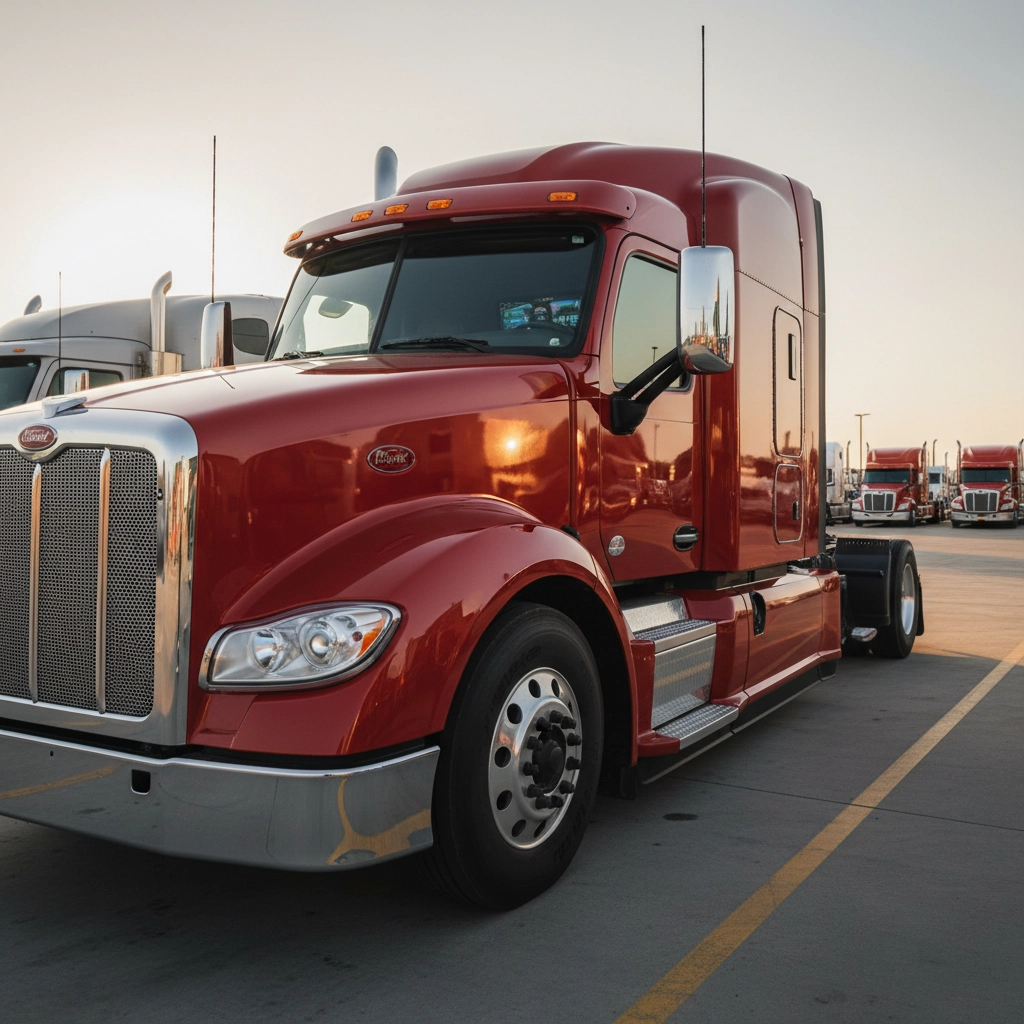
Kenworth T680 Next Gen
Kenworth's latest delivers up to 6% fuel economy gains over the previous generation through improved aerodynamics and seamless PACCAR powertrain integration. The digital interface and smart display technology help drivers optimize their performance in real-time.
The T680 shines in versatility. Whether you're running regional routes or coast-to-coast hauls, the refined cab and trusted powertrains handle both consistently.
Volvo VNL 860
The VNL 860's Volvo D13TC engine (up to 500 HP) includes a turbo compound system that delivers 8% better fuel efficiency. The 70 cubic feet of sleeper space and Active Driver Assist 2.0 safety system make it a standout for long-haul operations.
Volvo's safety technology isn't just about compliance: it reduces insurance costs and prevents the kind of accidents that can destroy a small fleet's finances overnight.
International LT Series
The LT Series packs a Cummins X15 engine (up to 605 HP) with GPS-based predictive cruise control and the DriverFirst™ cab design. The OnCommand® remote diagnostics system helps prevent breakdowns before they happen.
International's strength lies in balancing innovation with value. You get advanced features without paying premium prices, which matters when you're competing on thin margins.
Cost-Effectiveness: Beyond The Sticker Price
The cheapest truck to buy is rarely the cheapest truck to own. Here's what actually drives your total cost of ownership:
Fuel efficiency is your biggest variable cost. A 2% improvement in fuel economy saves about $1,500 per truck annually at current fuel prices. Over a truck's 7-year lifecycle, that's $10,500 per vehicle. Multiply that across your fleet, and small efficiency gains become major savings.
Maintenance costs vary dramatically between brands and models. Trucks with common engines like the Detroit DD15, Cummins X15, or PACCAR MX-13 have widespread parts availability and technician familiarity. This means shorter downtime and lower labor costs.
Resale value protects your investment. Cascadias, Peterbilts, and Kenworths consistently hold their value better than lesser-known brands. When it's time to upgrade, strong resale value reduces your net cost of ownership.
Low-Maintenance Champions
The trucks that spend the most time on the road and least time in the shop share common characteristics:
Simple, proven powertrains beat cutting-edge complexity every time. The Detroit DD15, Cummins X15, and PACCAR MX-13 engines have been refined over years of real-world operation. Parts are available everywhere, and every truck stop mechanic knows how to work on them.
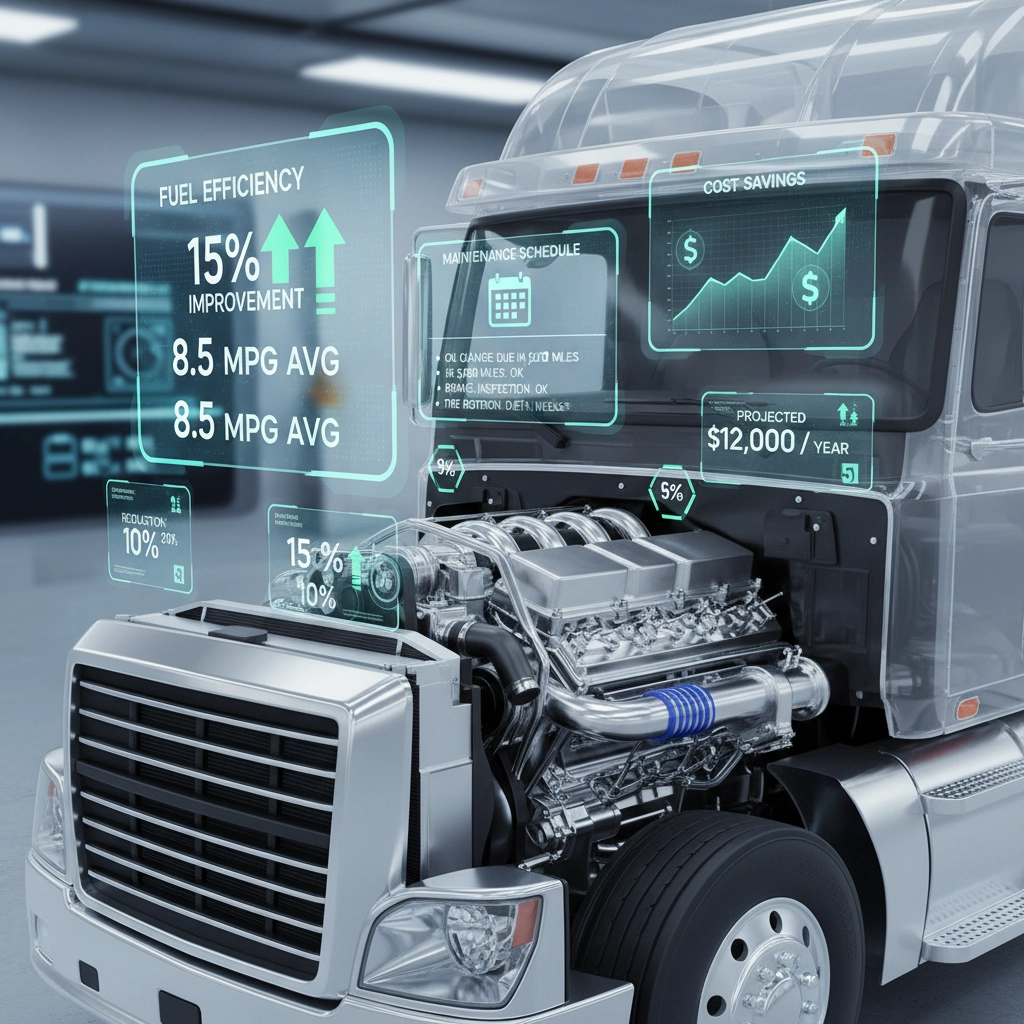
Integrated diagnostic systems catch problems early. Modern trucks from major manufacturers include telematics that monitor engine parameters, brake wear, and dozens of other components. This lets you schedule maintenance during downtime instead of dealing with roadside breakdowns.
National service networks matter more than you think. Freightliner's massive dealer network means you're never far from qualified service. Peterbilt and Kenworth have strong coverage too. If you're running specialized routes, check service availability before you buy.
How Equipment Choice Drives Fleet Success
Your truck choice impacts every aspect of your operation:
Driver retention starts with equipment. Drivers talk, and they know which fleets run good equipment. Comfortable cabs, reliable trucks, and modern amenities help you attract and keep quality drivers. In today's tight labor market, that's a competitive advantage worth paying for.
Operational efficiency comes from trucks that start reliably, run consistently, and deliver freight on time. Unexpected breakdowns don't just cost repair money: they damage customer relationships and your reputation.
Financial flexibility requires trucks that hold their value. Well-maintained units from major manufacturers with under 300,000 miles sell quickly when you need to adjust fleet size or upgrade equipment.

Surviving Tough Times Through Smart Equipment Choices
When freight rates drop and customers squeeze margins, your equipment strategy becomes survival strategy:
Prioritize fuel efficiency over horsepower bragging rights. A truck that gets 0.5 MPG better fuel economy saves you money every mile, every day. That efficiency advantage compounds during tough times when every dollar matters.
Choose proven reliability over flashy features. Exotic equipment might impress at truck shows, but mainstream trucks from major manufacturers keep running when you can't afford downtime.
Maintain religiously to extend equipment life. A well-maintained truck can run profitably for 800,000+ miles. Deferred maintenance leads to expensive failures and premature replacement needs.
Consider certified pre-owned from reputable dealers. A 2-3 year old truck from a major manufacturer can deliver 80% of new truck performance at 60% of the price.
The Power Choice That Actually Matters
Engine selection impacts your success more than truck brand. Here's the practical reality:
For long-haul operations: The Detroit DD15 and Cummins X15 offer the best combination of power, efficiency, and service availability. Both engines are proven in million-mile applications.
For regional work: Mid-range engines like the Cummins L9 or Detroit DD13 provide adequate power with better fuel economy and lower purchase prices.
For specialized applications: Match your power to your load. Overbuying horsepower wastes fuel. Underbuying power costs time and creates driver frustration.
Making The Right Choice For Your Operation
Start by honestly assessing your needs:
What do you typically haul, and what power do you actually need?
Where do you run, and what service network coverage do you require?
What's your driver profile, and what features matter most for retention?
What's your budget for both purchase and total cost of ownership?
The best truck for your fleet is the one that matches your operational reality, not the one that wins magazine awards or looks best at the truck show.
Remember: in trucking, the goal isn't to own the fanciest equipment. It's to move freight profitably, consistently, and safely. Choose trucks that help you do exactly that, and you'll be positioned to succeed regardless of what the market throws at you.
Your equipment is your competitive advantage. Choose wisely, maintain properly, and operate efficiently. That's how small fleets survive and thrive, even when times get tough.
Comments