Heads up, carriers: ELD compliance just got real. 🚨
- Penny

- Oct 21, 2025
- 5 min read
If you're a carrier or owner-operator, you need to pay attention to this one. The FMCSA just dropped some serious news that could put you out of service if you're not prepared.
On October 17, 2025, the Federal Motor Carrier Safety Administration removed five electronic logging devices from their approved list. If you're currently using Premium ELD, Evo ELD 1, True Logbook, Xplore ELD, or Kami ELD, you're now operating with non-compliant equipment.
Here's the kicker: after December 16, 2025, drivers using these devices will be treated exactly like they have no ELD at all. That means potential out-of-service orders, hefty fines, and a whole lot of headaches you don't need.
Why These ELDs Got the Boot
The FMCSA didn't just randomly pick these devices out of a hat. Each of these five ELDs failed to meet the minimum technical standards required for compliance. This isn't about paperwork or minor technicalities – we're talking about fundamental issues that compromise the integrity of hours-of-service tracking.
When an ELD can't properly record or transmit driver data, it defeats the entire purpose of the electronic logging mandate. The agency has been cracking down hard on devices that don't meet standards, and this latest removal brings the total number of revoked ELDs in 2025 to 24 – the highest annual number since enforcement began in earnest back in 2018.

What Happens After December 16?
Let's be crystal clear about what you're facing if you don't make the switch by the deadline. After December 16, operating with one of these revoked ELDs is the same as operating without any ELD at all.
That means:
Immediate out-of-service orders during roadside inspections
Significant fines that can reach thousands of dollars
Negative impacts on your CSA scores that affect your ability to get loads
Potential suspension of your operating authority in extreme cases
Enforcement officers won't care that you didn't know about the revocation or that you were "planning" to switch. The December 16 deadline is firm, and there's no grace period.
The Enforcement Landscape Has Changed
2025 has been a wake-up call for the trucking industry when it comes to ELD compliance. Enforcement agencies aren't just checking boxes anymore – they're using sophisticated digital tools to spot inconsistencies and potential tampering in electronic log records.
Roadside inspections now routinely include thorough reviews of ELD data and supporting documents. Officers are trained to identify red flags that suggest device manipulation or non-compliance. They're also conducting more remote audits, leveraging digital records to monitor compliance without needing physical inspections.
The message is clear: the days of skating by with questionable ELD practices are over.

Your Action Plan: What to Do Right Now
If you're using one of the affected devices, here's your step-by-step action plan:
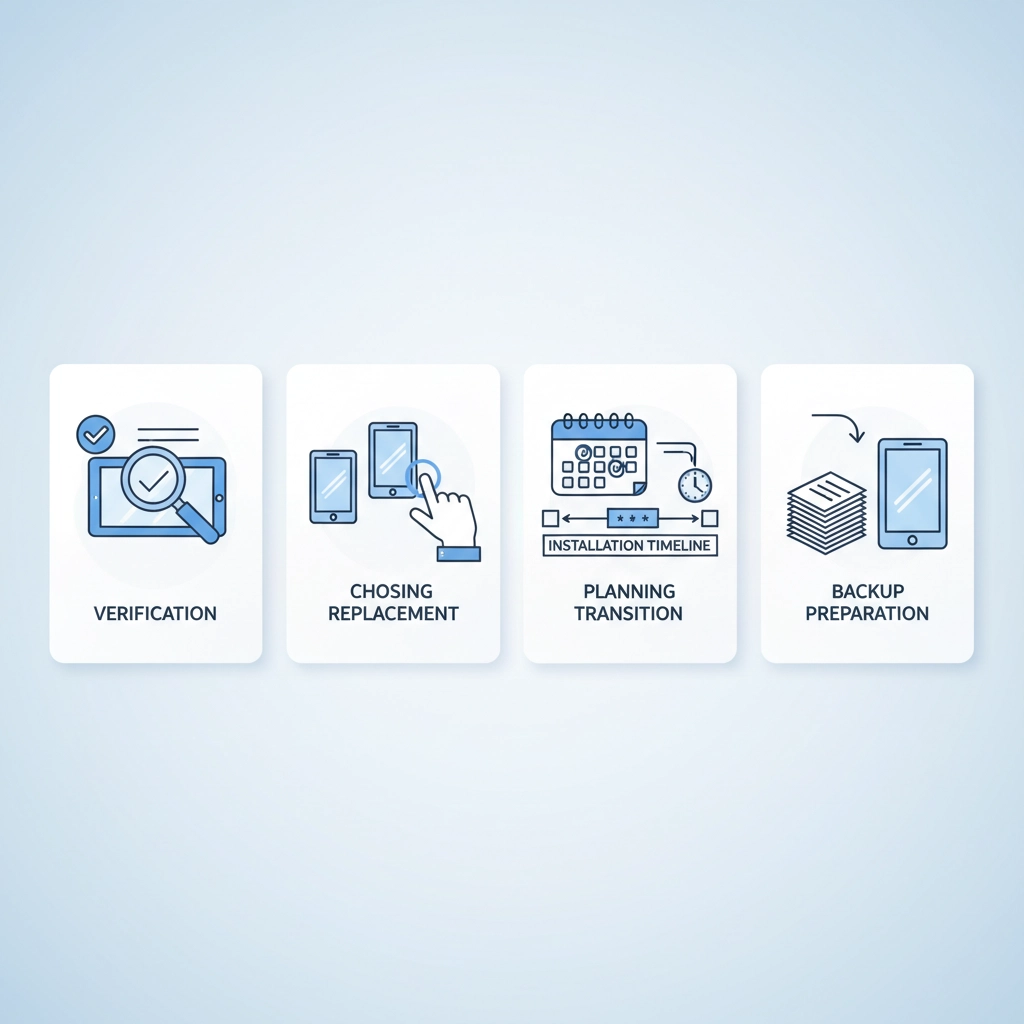
Step 1: Verify Your ELD Status
Don't assume you're safe just because you're not using one of the five recently revoked devices. Check the FMCSA's registered ELD list to confirm your device is still compliant. This list changes regularly, so make this a routine part of your compliance checks.
Step 2: Choose a Replacement Device
If you need to switch, research approved ELD providers carefully. Look for devices with:
Strong compliance track records
Reliable customer support
Easy data transfer capabilities
Reasonable pricing structures
Don't just go with the cheapest option – a few dollars saved isn't worth the risk of compliance issues down the road.
Step 3: Plan Your Transition
You have less than two months to make the switch. Start planning now:
Order your new device immediately – don't wait for last-minute availability issues
Schedule installation during planned downtime to minimize disruptions
Transfer your historical data from your old device to the new one
Train your drivers on the new system before going live
Step 4: Keep Paper Logs Ready
Even with a compliant ELD, always keep paper logs as backup. You're required to maintain at least eight days' worth, and having them readily available can save you from citations if your electronic system experiences technical problems.
The Bigger Picture: Why This Matters for Small Fleets
This crackdown hits small fleets and owner-operators particularly hard. Unlike large carriers with dedicated compliance teams, smaller operations often rely on their ELD provider for guidance and may not have resources to constantly monitor regulatory changes.
But here's the thing – ignorance isn't a defense when it comes to DOT regulations. Whether you're running one truck or a hundred, you're held to the same compliance standards as the big players.
The good news? Staying compliant actually gives smaller carriers a competitive advantage. Shippers and brokers increasingly prefer working with carriers who have clean safety records and proven compliance histories. It's a way to differentiate yourself in a crowded market.
How This Affects Your Business Relationships
At IMFX, we've seen firsthand how compliance issues can derail otherwise solid carrier relationships. When a carrier gets hit with violations or out-of-service orders, it creates delays, additional costs, and headaches for everyone involved.
That's why we prioritize working with carriers who stay ahead of compliance requirements. It's not just about avoiding problems – compliant carriers tend to be more professional, reliable, and focused on quality service. These partnerships result in:
More consistent load opportunities
Faster payment processing
Better rates due to reduced risk
Smoother operations with fewer disruptions
When you invest in staying compliant, you're not just avoiding penalties – you're positioning yourself as a preferred partner for quality freight opportunities.

Looking Ahead: What's Next for ELD Enforcement
Don't expect enforcement to ease up anytime soon. The FMCSA has made it clear that ELD compliance is a top priority, and they're continuing to refine their standards and enforcement practices.
Wisconsin became the final state to adopt the ELD mandate for intrastate CDL drivers in April 2025, meaning there are literally no gaps left in coverage. Enforcement agencies are also sharing data more effectively, making it harder for non-compliant carriers to slip through the cracks.
The trend is toward stricter enforcement, more sophisticated detection methods, and higher penalties. Carriers who adapt now will be better positioned for whatever changes come next.
Don't Wait – Act Now
With less than two months until the December 16 deadline, time is not on your side if you're using one of those revoked ELDs. Every day you wait is a day closer to potential out-of-service orders and all the problems that come with them.
Start your transition today. Check your ELD status, research replacement options, and get your new device ordered. Your business depends on staying compliant, and your customers depend on you being available to haul their freight.
Stay safe, stay compliant, and keep those wheels turning. The roads are tough enough without adding unnecessary regulatory headaches to the mix.
Comments