Early Booking Vs Last-Minute Freight: Which Is Better For Your Bottom Line?
- Penny

- Oct 24, 2025
- 5 min read
Let's cut straight to the chase: early booking wins for your wallet almost every time. But like most things in logistics, it's not quite that simple. The real question isn't whether early booking saves money (it does), but when each approach makes sense for your specific situation.
If you've ever scrambled to find a carrier at the last minute, you know the pain. Your phone's blowing up, rates are through the roof, and you're wondering how a simple shipment turned into a budget-busting emergency. We've all been there.
The Real Cost of Last-Minute Freight
Here's what happens when you wait until the last minute to book freight: you pay premium prices, sometimes dramatically higher than planned shipments. We're not talking about a small uptick here – same-day pickup typically costs $500-$600 more than shipments booked with proper notice. For urgent bookings, you might pay an additional $500-$1,000 just to secure a truck willing to take your load.
Why such steep premiums? It comes down to supply and demand. When you need freight moved immediately, carriers know you don't have options. They can essentially name their price because you're stuck. Your negotiating power disappears faster than available truck capacity during peak season.
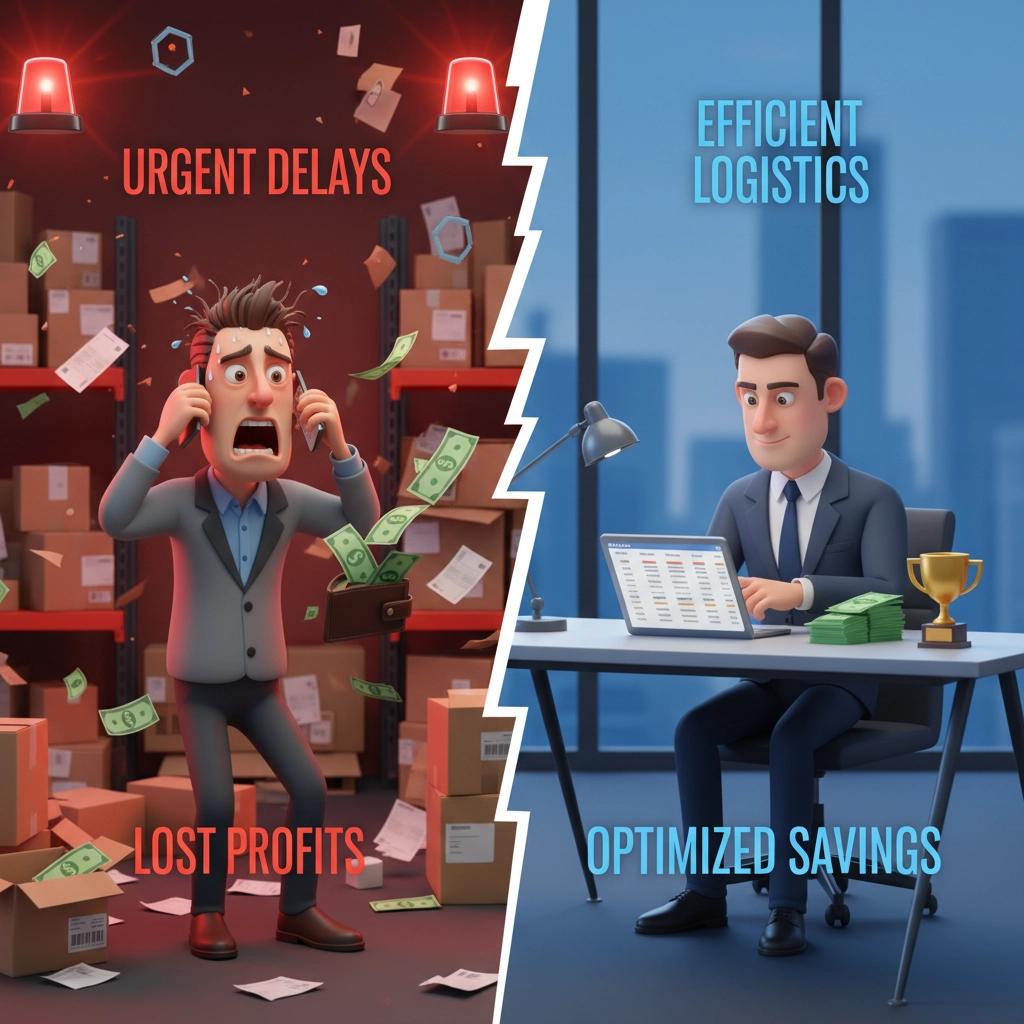
The cascading effects go beyond just higher rates. Last-minute LTL (less-than-truckload) shipments often face extended transit times because carriers can't optimize routes efficiently. Your urgent shipment might actually take longer to reach its destination than a well-planned one.
Early Booking: Your Path to Savings
Booking freight with at least 72 hours' notice – ideally more – transforms your shipping economics. Carriers can plan routes efficiently, consolidate loads, and offer competitive pricing because they're not scrambling to accommodate your request.
The financial benefits are substantial and immediate. You'll access standard rates instead of premium pricing, often saving hundreds or thousands of dollars per shipment. But the advantages extend beyond simple cost savings.
Early booking gives you carrier selection. Instead of accepting whoever's available at premium rates, you can choose from multiple options and negotiate terms that work for your business. This selection process isn't just about price – it's about finding carriers whose service levels, routes, and reliability align with your needs.

Predictability becomes your friend. When you book early, you can forecast shipping costs more accurately, making budgeting easier and eliminating surprise expenses that throw off your financial planning.
When Each Approach Makes Sense
Early booking works best when:
You have predictable shipping patterns
Cost optimization is a priority
You're shipping during peak seasons (Q4, harvest times)
Building long-term carrier relationships matters
Your products don't require immediate delivery
Last-minute booking might be necessary when:
Genuine emergencies arise (equipment failures, urgent customer demands)
You're in industries with unpredictable demand spikes
The premium cost is justified by the business opportunity
You're covering for supplier delays beyond your control
The key is being honest about what constitutes a true emergency versus poor planning. That rush order from your biggest customer? Probably worth the premium. Forgetting to book routine inventory replenishment? That's expensive poor planning.
Risk and Flexibility Trade-offs
Early booking reduces several types of risk. You secure capacity before peak demand periods, avoid last-minute rate spikes, and give carriers time to plan around potential issues like weather or equipment problems.
However, early booking does reduce flexibility. If your shipment requirements change, you might face change fees or need to negotiate modifications with carriers who've already allocated resources to your load.

Last-minute booking offers maximum flexibility but multiplies risks. Yes, you can respond quickly to changing circumstances, but you're gambling on availability and accepting whatever rates the market demands at that moment.
Smart shippers find a middle ground. They book routine, predictable shipments well in advance while maintaining some budget buffer for genuine last-minute needs. This approach optimizes costs on planned freight while maintaining the ability to respond to true emergencies.
Building Carrier Relationships
Early booking strengthens carrier relationships in ways that benefit your business long-term. Carriers prefer working with shippers who provide advance notice because it helps them optimize operations and maintain profitability. This preference translates into better service, preferential treatment during capacity crunches, and more favorable pricing on future shipments.
Think of it as building shipping credit. Carriers remember shippers who make their operations easier, and they reward that behavior with better service and pricing. When genuine emergencies arise, these established relationships become invaluable.
Conversely, consistently booking last-minute freight strains carrier relationships. You become the customer who creates operational headaches, and carriers may eventually choose not to work with you or charge increasingly higher premiums.
Making the Smart Choice for Your Business
The mathematics are clear: early booking typically saves significant money while providing better service options. However, the optimal approach depends on your specific business context.

Consider your industry's demand patterns. Seasonal businesses might need to book early during peak periods but can afford more flexibility during slow seasons. Manufacturing companies with predictable production schedules should almost always book early, while retailers dealing with fast-changing trends might need more last-minute flexibility.
Evaluate your cost tolerance. Can your business absorb occasional premium freight charges for the operational flexibility, or do tight margins require optimizing every shipping dollar?
IMFX's Optimization Approach
At IMFX, we help clients optimize their booking timing based on their specific needs and constraints. We analyze shipping patterns, identify opportunities for early booking savings, and maintain relationships with carriers who can handle both planned and emergency shipments effectively.
Our approach focuses on practical solutions: we help you plan routine shipments to maximize savings while building contingency plans for when last-minute needs arise. We work with you to understand your business cycles and recommend booking strategies that align with your operational reality and budget constraints.
Your Action Plan
Start by analyzing your current shipping patterns. What percentage of your freight gets booked with less than 72 hours' notice? For those shipments, ask whether they were genuine emergencies or planning gaps.
Implement booking lead time targets. Aim for 72+ hours' notice on routine shipments, and track your performance against this goal. Calculate the cost difference between your early and last-minute bookings to quantify potential savings.

Build relationships with reliable carriers who can handle both planned and emergency freight. Having established partnerships makes last-minute bookings more manageable when they're truly necessary.
Create internal processes that support early booking. This might involve improving demand forecasting, adjusting inventory planning, or changing internal approval processes to reduce delays.
The bottom line? Early booking wins for your bottom line in most situations. The question isn't whether to book early, but how to structure your operations to make early booking the norm rather than the exception. When you do need last-minute freight, make sure it's for the right reasons and budget accordingly.
Your shipping costs will thank you, and your carriers will appreciate working with a shipper who makes their job easier. It's a win-win that starts with planning ahead.
Comments