Are Small Trucking Companies Dead? Do Owner-Operators Still Matter in 2025?
- Penny

- Oct 19, 2025
- 5 min read
Here's the short answer: No, small trucking companies aren't dead. In fact, they're thriving like never before. But the long answer? It's complicated.
While headlines scream about trucking bankruptcies and industry consolidation, the real numbers tell a completely different story. Small operators and owner-operators aren't just surviving: they're actually taking over more of the market each year.
The Numbers Don't Lie: Small is Growing Big
Let's start with some facts that might surprise you. Right now, 54.4% of all U.S. trucking fleets consist of just one truck. That's up from 50.6% just ten years ago. We're talking about over 500,000 independent operators currently on the road: a whopping 67% increase since 2003.
Meanwhile, those massive fleets everyone talks about? Their share of CDL holders has actually dropped from 52.1% to 46.1% over the past decade. So while the big guys are getting all the press, the little guys are quietly taking more market share.
Show Me the Money: What Owner-Operators Really Earn
One of the biggest questions we get at IMFX is whether owner-operators can still make decent money. The answer is a resounding yes: if you know what you're doing.
A successful owner-operator in 2025 can net anywhere from $80,000 to $120,000 annually after expenses. Those working specialized freight? They're often clearing $150,000 or more. Compare that to company drivers who typically max out between $55,000 and $85,000, and you can see why people are choosing the independent route.
But here's the kicker: the tax advantages. When you're an owner-operator, everything becomes a business expense: fuel, meals, truck accessories, even your phone bill. Smart operators save $10,000 to $15,000 annually just through proper tax planning.
The Reality Check: It's Not All Smooth Roads
Now, let's be real about the challenges. 2025 has been brutal for some companies. We've seen 17 trucking companies shut down or file for bankruptcy this year alone. Davis Express closed with 160 trucks, LTI Trucking laid off 250 drivers, and TGS Transportation shut down after 40 years in business.
The freight recession that hammered the industry finally ended in late 2024, but operators are still feeling the aftershocks. Freight demand has been all over the place, tariff pressures are creating uncertainty, and the economic climate remains fragile.

For small operators, these challenges hit differently. When you're running a one-truck operation and your driver retires or quits, you're not just losing an employee: you might be losing your entire business. Industry-wide turnover is sitting at 94%, which means small fleets are constantly walking a tightrope.
The Hidden Costs Killing Margins
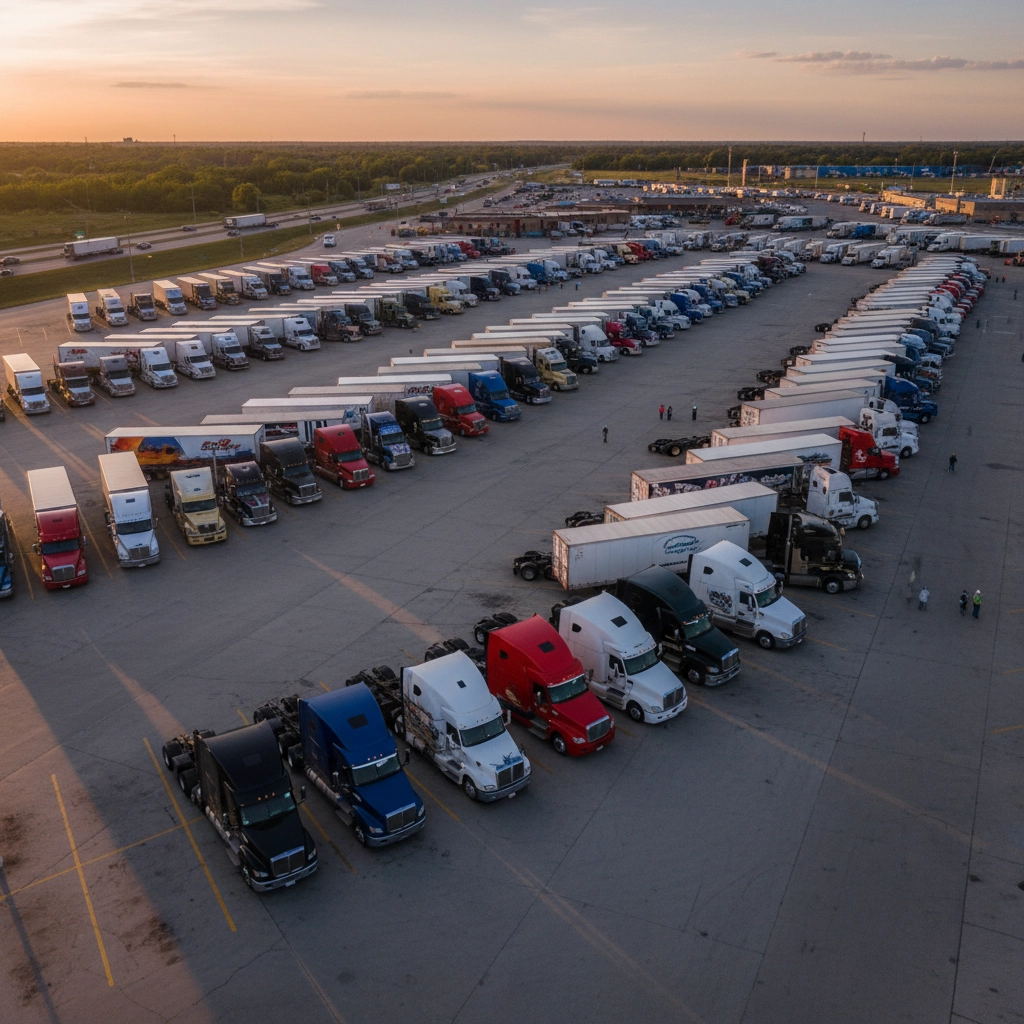
Here's something most people don't talk about: the cost of just operating a truck keeps going up. America's truck parking shortage costs the industry $100 billion annually. Drivers waste 56 minutes and drive an extra 15 miles every single day just looking for a place to park legally.
Then there's the regulatory stuff. The FMCSA's drug and alcohol clearinghouse has already sidelined over 180,000 drivers by early 2025. Insurance costs are through the roof, fuel prices swing wildly, and everyone's talking about electric trucks (even though they're not quite ready for prime time).
Why Small Still Wins
But here's where small operators have a huge advantage: they can move fast. When a big carrier wants to change something, it takes months of meetings and corporate approvals. Small operators can pivot overnight.
They also build real relationships. In a mega-fleet, drivers feel like numbers on a spreadsheet. In a small operation, the owner knows everyone's name, their family situation, and what motivates them. That personal touch matters more than you'd think, especially when good drivers are hard to find.

Small carriers can also tap into underserved markets. They can recruit women and minority drivers by offering flexible schedules, safer working conditions, and respectful work environments: things that are harder to guarantee in massive operations.
Technology: The Great Equalizer
Here's where things get interesting. Technology is leveling the playing field in ways we've never seen before. AI-powered fleet management, route optimization, and asset tracking used to be exclusive to big fleets with deep pockets. Now, small operators can access the same tools.
ELD data isn't just about compliance anymore: smart operators use it to optimize routes, reduce fuel costs, and improve driver performance. Safety systems are getting cheaper and more effective. Even logistics software that used to cost six figures is now available as affordable monthly subscriptions.
The key is embracing this stuff instead of fighting it. The operators who adapt to new technology will thrive. Those who don't will struggle.
What About Autonomous Trucks?
Everyone asks about self-driving trucks. Here's the reality: they're coming, but not fast enough to put anyone out of business this year or next. The technology is improving, but we're still years away from fully autonomous long-haul trucking.
What's more likely is that autonomous systems will handle specific routes: like highway driving between distribution centers: while human drivers handle the complex stuff like city deliveries and customer interactions.
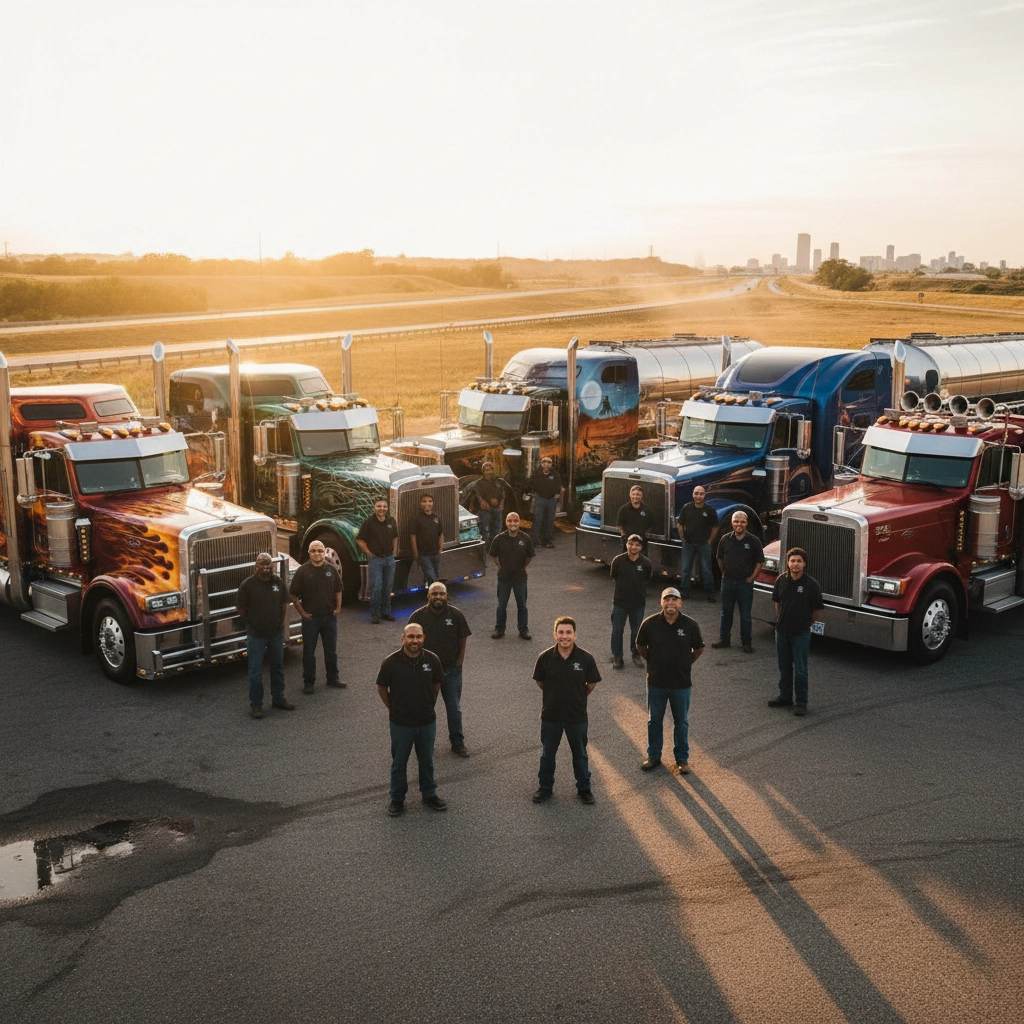
For small operators, this might actually create opportunities. While big fleets invest heavily in automation for standard routes, small operators can focus on specialized services, difficult routes, and personal customer relationships that robots can't handle.
The IMFX Perspective: Why We Still Back Small Operators
At IMFX, we work with operators of all sizes, from one-truck outfits to major fleets. And honestly? Some of our best partnerships are with small operators. They're hungrier, more flexible, and often more reliable than you'd expect.
They know their success depends on every single load, so they pay attention to details that bigger operations might miss. They build relationships with shippers that last for years. And when problems arise, they solve them quickly instead of passing you through three levels of customer service.
The Bottom Line: Small Operators Aren't Going Anywhere
So, are small trucking companies dead? Absolutely not. The data shows they're growing stronger every year. Do owner-operators still matter in 2025? More than ever.
But: and this is important: success isn't guaranteed. The operators who make it are the ones who run their businesses like businesses, not hobbies. They invest in technology, maintain good relationships with brokers and shippers, manage their costs carefully, and adapt to changing market conditions.
The trucking industry will always need small operators. They provide flexibility, specialized services, and personal attention that mega-carriers can't match. As long as America's economy depends on moving freight, there will be a place for the owner-operator who's willing to work smart, stay lean, and deliver results.
The question isn't whether small operators will survive: it's which ones will thrive. And based on what we see every day at IMFX, we're betting on the ones who embrace change, invest in relationships, and never stop learning.
Comments